Private Game Servers vs Script Executors: What’s the Difference?

Mobile gaming is no longer limited to the experience provided by an official app. Players now encounter private servers, modified clients, community-made maps, scripts, and tools that change how a game works. These options are often placed in the same category, but they are not technically identical.
A private server creates a separate version of a game environment, while a script executor attempts to run custom code within a supported game client or session. Understanding this distinction matters because each option changes gameplay in a different way and carries different compatibility, account, and device-security risks.
What Is a Private Game Server?
A private game server is an independently operated server that recreates or modifies parts of an online game. Instead of connecting to the publisher’s official infrastructure, the installed client connects to a separate system managed by another team.
Private servers may offer unlocked characters, custom game modes, experimental features, faster progression, or resources that would normally take time to earn. Because progress is stored separately, achievements and items earned on a private server generally do not transfer to the official game.
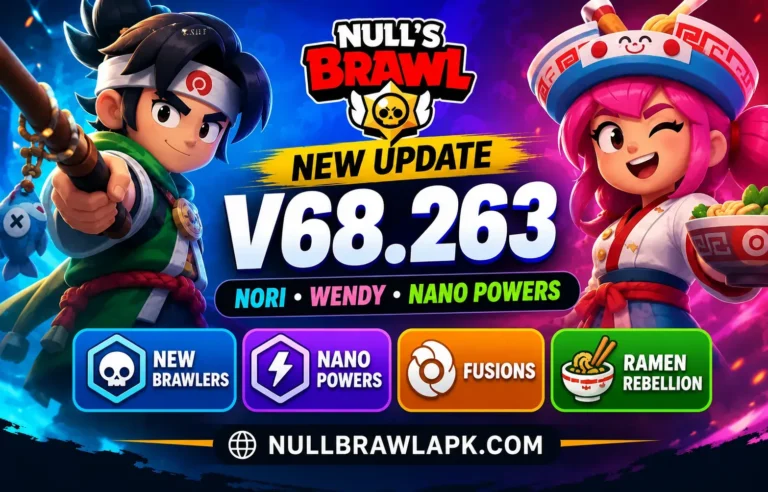
Null’s Brawl is an example of this model. It provides an alternative Brawl Stars environment with its own progression, account system, updates, and gameplay options. Players can experiment without changing their official Brawl Stars profiles because the two services use different server environments.
What Is a Script Executor?
A script executor is a tool designed to load and run scripts, often written in Lua, within a compatible game environment. Rather than moving the player to a completely separate game server, it changes or automates certain actions during a game session.
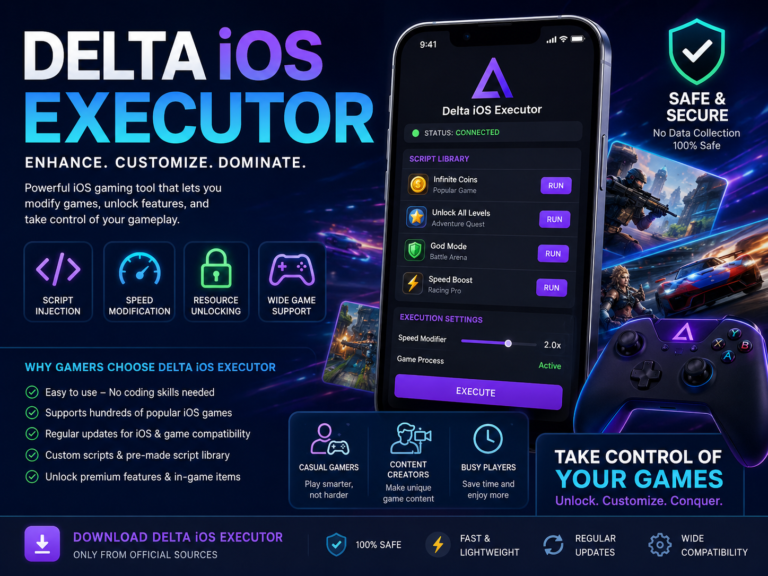
Roblox-focused tools such as Delta Executor are discussed within scripting communities because they provide an interface for loading compatible scripts. However, players should understand that Roblox states that exploiting or cheating violates its Terms of Use and can lead to account deletion. A tool being available does not mean that the game publisher permits its use.
The Main Technical Difference
The clearest distinction is where the modified experience operates.
A private server redirects the player into an independently managed environment. Its operator controls server-side progression, available resources, matchmaking, and sometimes exclusive content. The official game’s economy and player records remain separate.
A script executor interacts with a game client by running additional code. It does not automatically create a new multiplayer infrastructure. Its available functions depend on what the game client, executor, and selected script allow.
In simple terms, a private server changes where the game session takes place, while a script executor changes what code runs during a session. Both may alter normal gameplay, but their architecture and dependence on updates are different.
Installation and Updates
Private-server users commonly install a dedicated APK or another platform-specific application package. That client must point toward the private infrastructure and remain compatible with the server’s current version. When the official game receives a major update, the private-server team may need time to adapt its own client and features.
Script executors also rely heavily on version compatibility. A game-client update can change the systems an executor expects, causing scripts to fail or the application to stop launching. Individual scripts may require separate updates even when the executor itself remains functional.
Account and Progress Differences
Private servers usually maintain independent accounts or save systems. Progress created there should not be confused with progress on an official server. Players may need to create a separate profile, and the private operator—not the original publisher—controls how that information is stored.
Script tools are often used while interacting with an existing game platform. This creates a different type of account risk. If the platform detects behavior that violates its rules, it may restrict or remove the associated account. Using an alternative account does not eliminate device, data, or platform-policy risks.
Device and Download Safety
Third-party gaming files deserve careful inspection because they are often distributed outside official app stores. Fake download buttons, repackaged APKs, phishing pages, and copied websites can imitate a popular tool while delivering a different file.
Download only from a source you have independently verified. Check whether the website identifies the current version, provides clear contact information, uses a secure connection, and maintains consistent official community channels. Avoid files that unexpectedly request access to contacts, messages, accessibility controls, financial information, or password managers.
Android users should keep Google Play Protect enabled. It checks installed apps for harmful behavior and can warn, disable, or remove potentially harmful applications, including apps obtained from outside Google Play. A security warning should be investigated rather than dismissed automatically as a false positive.
Which Experience Appeals to Which Player?
Private servers generally appeal to players who want a separate version of a familiar game with different progression or custom modes. Script executors appeal more to players interested in scripts, automation, and modifying behavior within a compatible client. They require additional attention to script sources, compatibility, and platform rules.
Neither option should be chosen only because a website promises unlimited features. Players should consider who operates the service, how frequently it is updated, what permissions it requests, whether it conflicts with game rules, and what information could be placed at risk.
Final Comparison
Private servers and script executors belong to the broader world of third-party gaming, but they solve different problems. A private server provides an alternative game environment with separate infrastructure and progression. A script executor runs custom code within a compatible client and depends on individual scripts for its functions.
The safest approach is to understand the technology before installing anything. Verify the source, review requested permissions, keep device protection active, avoid using valuable account credentials, and read the original publisher’s rules. Customization can make games feel new, but convenience should never replace informed judgment about account security, device safety, and platform policies.